kshetracarbonCLIMATE SOLUTIONS Partner with us

Andhra Pradesh · Telangana · then India

Carbon stored in the field. Value returned to the farmer.

Kshetra Carbon removes CO₂ from the air with two proven methods: basalt rock dust that weathers in farm soil, and biochar made from crop residue that would otherwise be burned. We deliver both through farmer producer organisations, women's self-help groups and local NGOs.

క్షేత్ర కార్బన్Our name in Telugu. Kshetra means "field" in Telugu and Sanskrit: every tonne we remove starts in a farmer's field and is measured there.
Cross-section of a farm: rain weathers basalt dust in the soil and carries carbon away as bicarbonate, while a small kiln turns crop residue into biochar that is ploughed back in. CO₂CO₂CO₂ 450–650 °C BASALT DUST · 0–15 cm BIOCHAR · STABLE CARBON HCO₃⁻ → rivers → ocean stored 10,000+ years as dissolved bicarbonate Quarry basalt Village kiln hub
~92 Mtof India's surplus crop residue is burned in fields each year, out of ~141 MtBhuvaneshwari et al., IJERPH 2019
219 M haof cropped land in India: the surface where both methods workMinistry of Agriculture land-use statistics
10,000FPOs formed under the national FPO scheme, our route to every villageGovt. of India, Central Sector Scheme for 10,000 FPOs
4 hubsof biochar planned, two in Andhra Pradesh and two in Telangana, beside basalt field sitesKshetra Carbon plan, sites under assessment
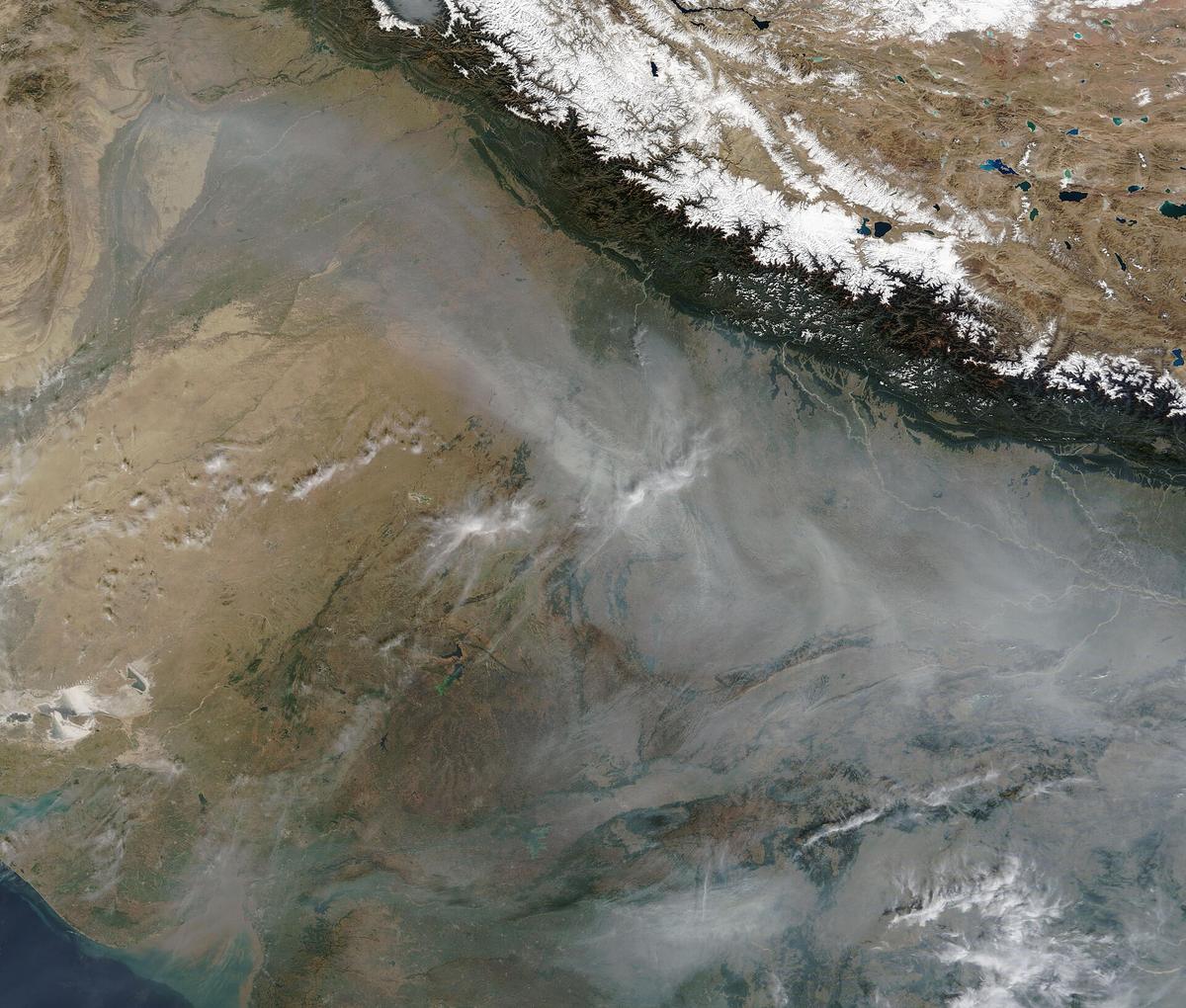
NASA satellite image of north India in November 2021, with a grey haze of smoke from crop-residue fires spread across the plains

Where we start

Every harvest, India burns the residue it could be storing

Satellites track the smoke from field fires every October and November. The same straw and stalk can be turned into biochar, and the same farms can take up basalt dust that draws CO₂ out of the air for good. We start with what the village already has: residue, soil and organised farmer groups.

~141 Mtsurplus crop residue a year
~92 Mtof it burned in the field

Image: MODIS Land Rapid Response Team, NASA GSFC, 11 Nov 2021, public domain. Figures: Bhuvaneshwari et al., IJERPH 2019.

Two pathways

Two durable ways to take carbon out of the air, both rooted in the farm

Each method improves the soil the farmer depends on, and each locks carbon away for centuries or longer. We run them side by side so a cluster of villages can use the one that fits its soil, its crops and its residue.

fine rock dust HCO₃⁻ to the ocean
Pathway 01 · Enhanced rock weathering

Basalt rock dust

Basalt from quarries in the Deccan is ground fine and spread on farmland. Rain reacts with its calcium and magnesium minerals, pulling CO₂ out of the soil air and locking it into bicarbonate that drains to rivers and the sea.

CaSiO₃ + 2CO₂ + 3H₂O → Ca²⁺ + 2HCO₃⁻ + H₄SiO₄
Storage
10,000+ years as dissolved bicarbonate
For the soil
Slow-release Ca, Mg, K and silica; lifts acidic soils
Standard
Designed to the Isometric Enhanced Weathering Protocol v1.3
Status
100-acre dose trial in the Godavari region, baseline soil sampling from December 2026
paddy straw, stalk no oxygen, 450–650 °C holds water + carbon
Pathway 02 · Biochar

Biochar from crop residue

Paddy straw, husk and cotton stalk are bought from FPO members instead of being burned. A village-scale kiln heats them without oxygen, and about 30% of the dry feed becomes a porous, stable char that goes back into the same fields.

Residue → pyrolysis → ~30% char by dry mass + heat & gas
Storage
Hundreds to 1,000+ years as stable aromatic carbon
For the soil
Better water holding and soil carbon; less field burning and smoke
Standard
Designed to the Isometric Biochar Protocol
Status
Four hubs planned, two in AP and two in Telangana; vendor and site assessment under way

Cradle to grave

Follow the carbon, step by step

Two short films trace each pathway from where the carbon starts to where it ends up, and show who earns along the way. Tap a step to jump to it.

Biochar: from burned stalk to stable soil carbon

About 54 seconds · no sound · captions on screen

Basalt: from ancient lava to ocean bicarbonate

About 55 seconds · no sound · captions on screen

Why durability matters

Carbon that stays put

Buyers now pay for removals that last. A tree can burn and soil carbon can be ploughed out. Mineral bicarbonate and biochar hold their carbon through droughts, floods and changes in land ownership.

  • Measured, then creditedNo credit is issued until soil, lab and process data pass an independent verifier.
  • Counted conservativelyEmissions from quarrying, grinding, transport and kilns are subtracted before anything is claimed.
  • Control plots in every trialUntreated plots show what the soil would have done anyway, so only the extra removal counts.

How long the carbon stays stored

Typical storage ranges, years (log scale)

1101001,00010,000100,000 years Forest & soil reversal risk Biochar 100 to 1,000+ Rock weathering 10,000+

Indicative ranges from IPCC AR6 WGIII (ch. 12) and Isometric biochar and enhanced weathering protocols. Actual durability is set per project by the protocol.

How a tonne is verified

From source to soil to registry, every step leaves a record

Each action creates evidence with an owner, a time stamp and a reviewer. Pick a pathway to see its chain.

    Operating ruleNo credit before verification, issuance and sale. Every climate claim has an evidence ID before it is made.

    Built with the village

    FPOs, women's groups and NGOs carry the work, and share in what it earns

    Scattered acres do not scale. Organised farmer groups do. We sign with the institutions villages already trust, so training, consent, delivery and payment all run through them.

    Kshetra Carbon FPOsaggregate Women'sSHGs NGOstrain & audit Farmersapply GramPanchayats Carbonbuyers
    Farmer producer organisations

    Sign members up with consent, aggregate residue and orders, and receive a share of carbon proceeds.

    Women's self-help groups

    Paid roles in residue collection, biochar bagging and distribution, soil-sample teams and farmer training.

    Local NGOs

    Run training in Telugu, collect grievances, and check that consent and payments reach every farmer.

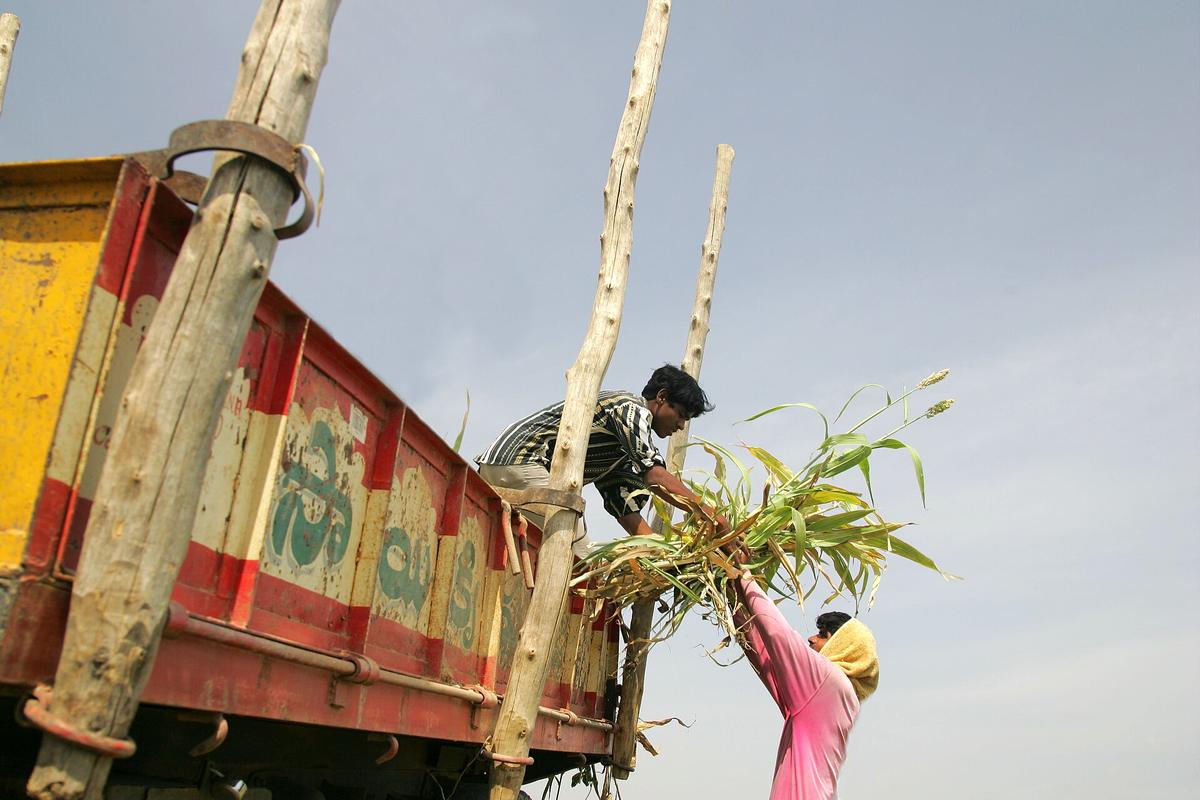
    Farm workers in Andhra Pradesh loading bundles of sorghum stover onto a truck after harvest

    Crop residue already moves from farm to buyer in Andhra Pradesh. We add a buyer that pays for it and returns it to the soil as biochar. Photo: ILRI / Stevie Mann, CC BY 2.0

    Footprint

    Proven first in Andhra Pradesh and Telangana, then taken state by state

    The two states have basalt quarries, large paddy and cotton residue, and dense FPO networks within short haul distances. We expand only where route cost, farmer adoption and measurement quality all pass.

    Phase 1 · AP + TelanganaPhase 2 · South India + Maharashtra, OdishaPhase 3 · pan-India

    Tap a state to see its phase.

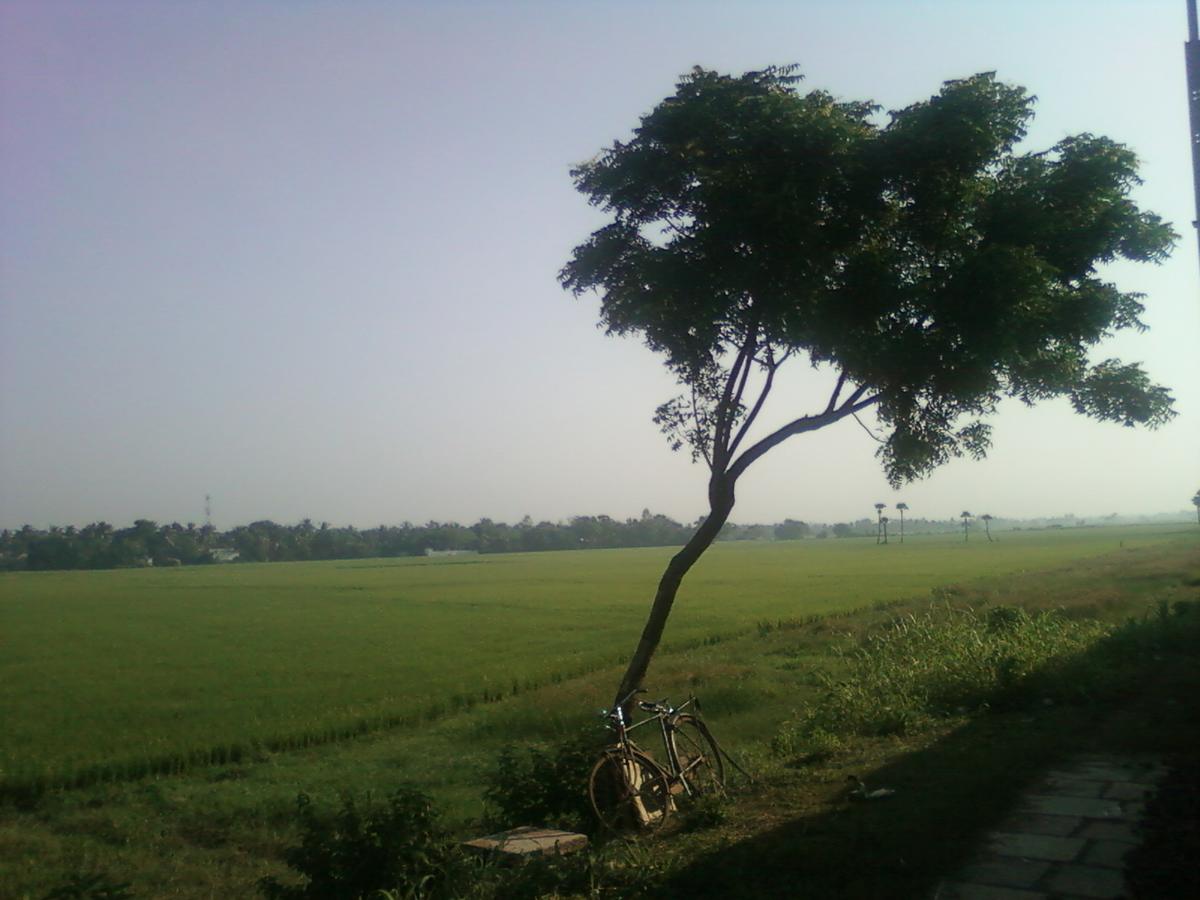
    Green paddy fields with a tree near Kovvur in the Godavari delta, Andhra Pradesh
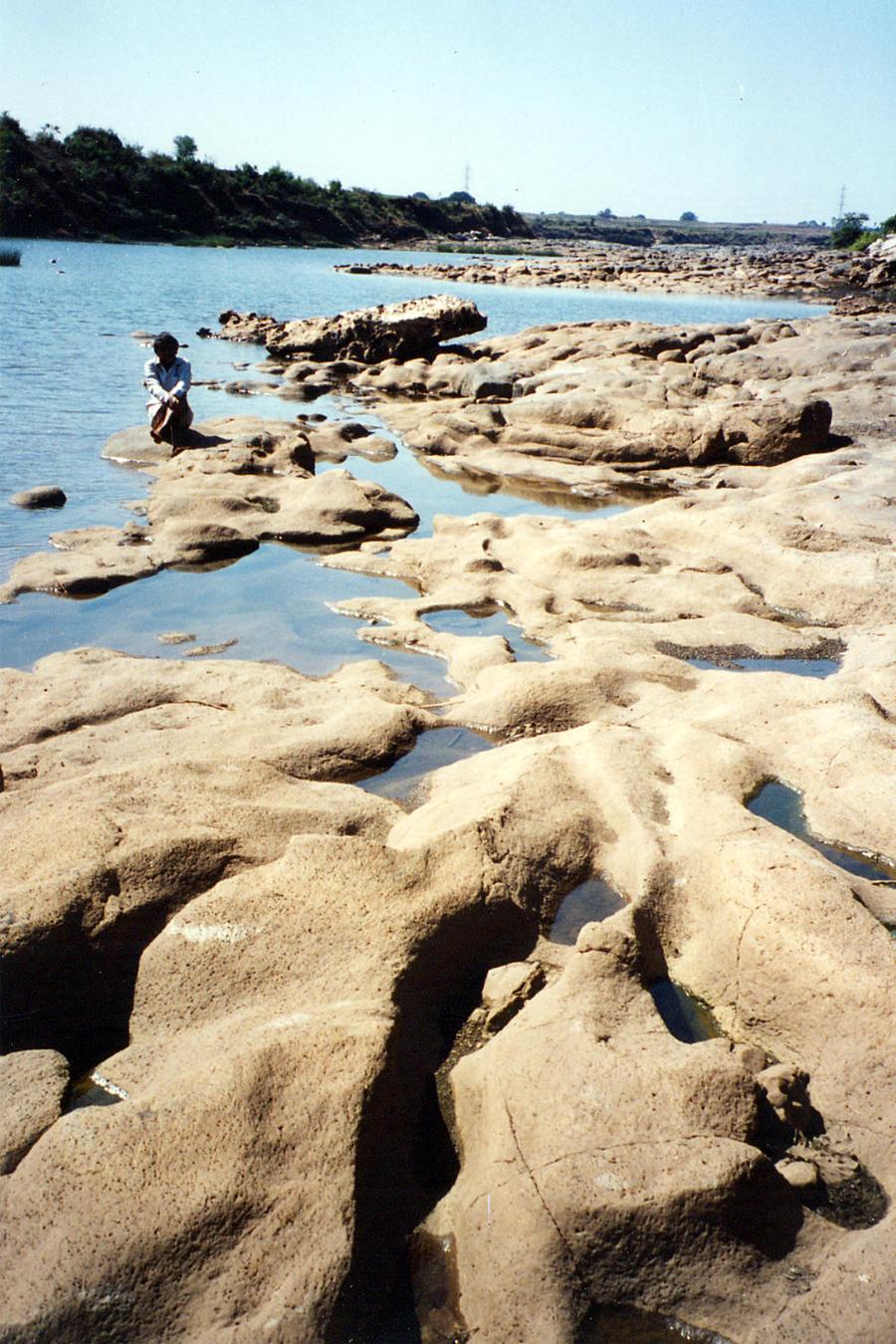
    Weathered grey Deccan Trap basalt outcrop beside water

    Paddy near Kovvur, Godavari: Adityamadhav83, CC BY-SA 3.0. Deccan Trap basalt: Joseph H. Hartman, CC0.

    Biochar hubs

    Andhra Pradesh hub 1Paddy straw and husk belt
    Planned
    Andhra Pradesh hub 2Paddy and cotton residue
    Planned
    Telangana hub 1Cotton stalk and paddy
    Planned
    Telangana hub 2Mixed crop residue
    Planned

    Basalt field sites

    Godavari region, Andhra Pradesh100-acre dose trial with control plots
    From Dec 2026
    TelanganaField clusters near basalt sources
    Planned

    Roadmap

    Each phase opens only when the one before it proves out

    Phase 1 · 2026 to 2028

    Prove it in AP and Telangana

    Dose trials with control plots, the first biochar hubs, and a first independent verification.

    • Basalt trial, Godavari region
    • Two biochar hubs per state
    • First FPO, SHG and NGO agreements
    Phase 2

    South India and the Deccan

    Karnataka, Tamil Nadu, Kerala and Odisha, then the basalt heartland of Maharashtra.

    • Hubs sited near quarries and residue
    • Same evidence chain, new soils
    Phase 3

    Pan-India

    A repeatable model any FPO network can adopt, with village-level benefit sharing built in.

    • Madhya Pradesh, Uttar Pradesh and beyond
    • Open data for buyers and auditors
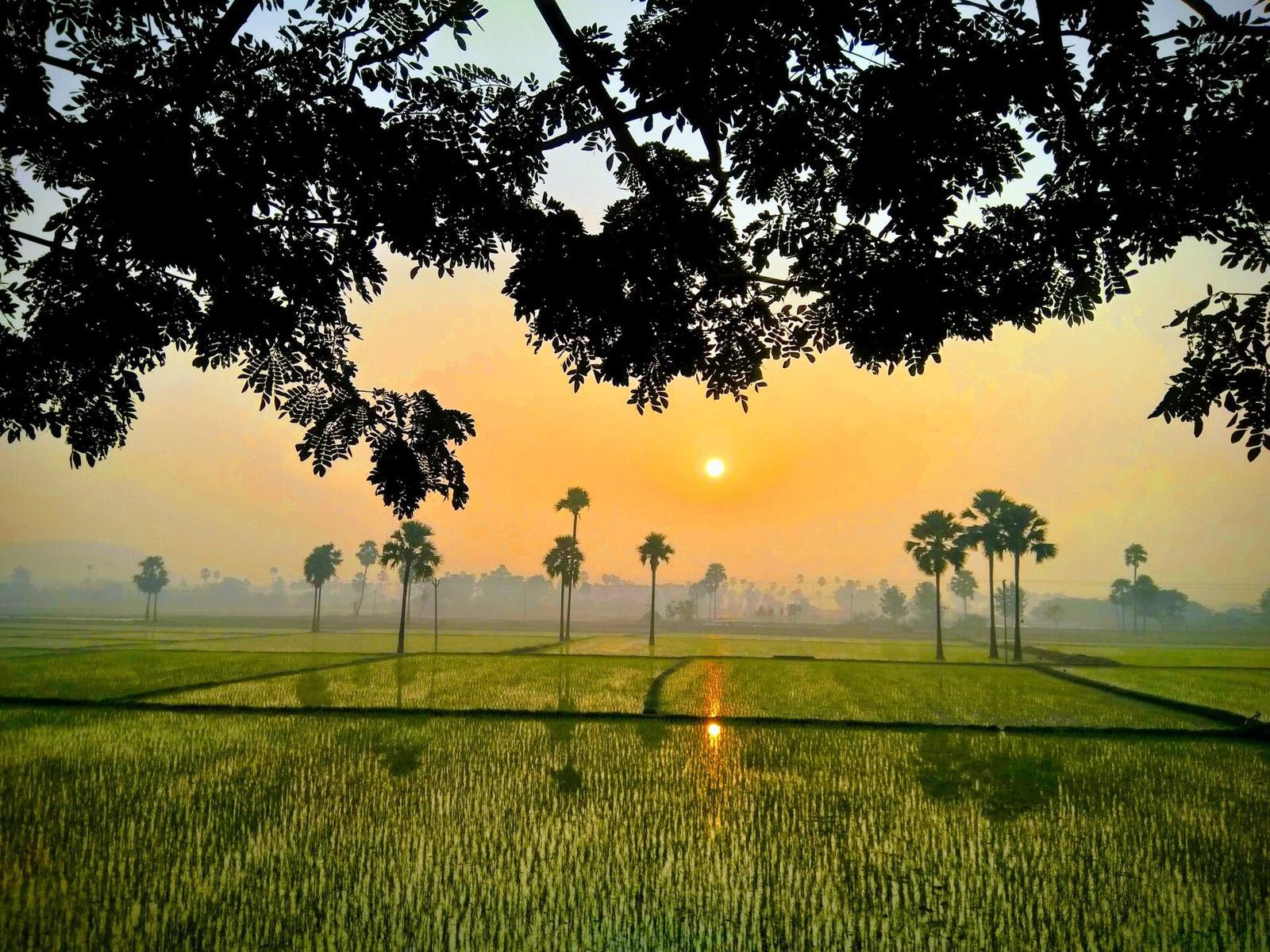
    Sunrise over flooded paddy fields and palm trees in rural Telangana
    Every tonne we remove starts in a field like this one.

    Rural Telangana · Mohammad Anees Qamar, CC0

    Work with us

    Three ways in

    Carbon buyers

    Durable removals with a full paper trail

    Pre-purchase or offtake agreements for ERW and biochar credits, with plot-level evidence open to your due-diligence team.

    • Two pathways, one evidence standard
    • Smallholder and women-led co-benefits
    FPOs & NGOs

    Bring your villages in

    Join as a delivery partner. We bring the inputs, training and measurement; your members earn from residue, roles and carbon revenue.

    • Training in Telugu
    • Payments tracked to each farmer
    Funders & CSR

    Back soil health that pays back

    Fund hubs, trials or women's enterprise roles, with reporting tied to measured outcomes rather than activity counts.

    • Milestone-based release
    • Impact reports per cluster

    Contact

    Start a conversation

    Based in Hyderabad, working across Andhra Pradesh and Telangana. Write to us about offtake, partnerships, field sites or funding.

    kshetracarbon.comkshetracarbon.earth

    Hyderabad, Telangana, India